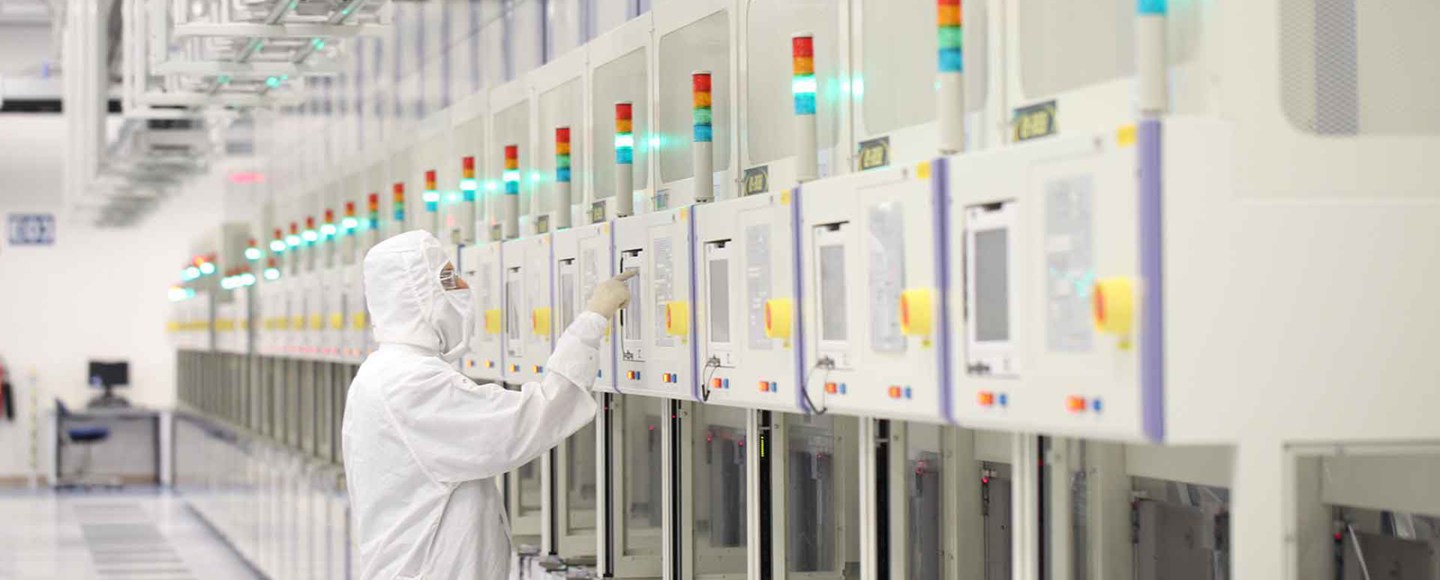

It’s a rare day I get through my must-reads without a headline or three about the threats and wonders of the evolving world of artificial intelligence (AI).
Is AI awe-inspiring? Is it anxiety-inducing? Or is it apocalypse-inciting? Perhaps it is all three, as billionaire investor Ken Fisher summed it up in a recent article in the Globe & Mail.
We are a long way from understanding the implications of this technology for good and bad. But for investors the heart of it all lies in the microprocessors. The algorithms used by the powerful chips generate human-like responses via simple prompts which is what scares and enthralls at the same time.
Among the big names is Netherlands-based ASML Holding NV (NDQ: ASML), whose shares are up 26% this year. It makes the machines that make the AI chips. Each machine costs hundreds of millions so it has a wide moat around its business.
Likewise, Nvidia Inc. (NDQ: NVDA) is another leader with a big advantage. It is best known for graphic processing units (GPUs) used in video games, but its chips are also used for such things as cloud-based computing, self-driving cars, and drones.
Another place to look for opportunity is out of the limelight. Here less sexy, plain vanilla manufacturers have a profitable niche making simpler chips that power everyday products. These are things like coffee makers, washing machines, and TVs. Also, the processes that save photos on your computer or allow you to play songs on Spotify through Google Home.
These chips tend to make up a small portion of the cost of the product and are proven to work. As a result, end users are less inclined to swap them out and risk getting it wrong with a new supplier. The companies have well-developed businesses, lower costs for research and development, and longstanding relationships with their customers.
Two companies in this space are Texas Instruments Inc. (NDQ: TXN) and Analag Devices Inc., (NDQ: ADI).
Texas Instruments had revenues of $20 billion (figures in US dollars) in 2022 and net income of $8.7 billion. It has more than 100,000 customers and has increased its dividend in each of the past 19 years. The stock yields 2.7% at the current price of $176.
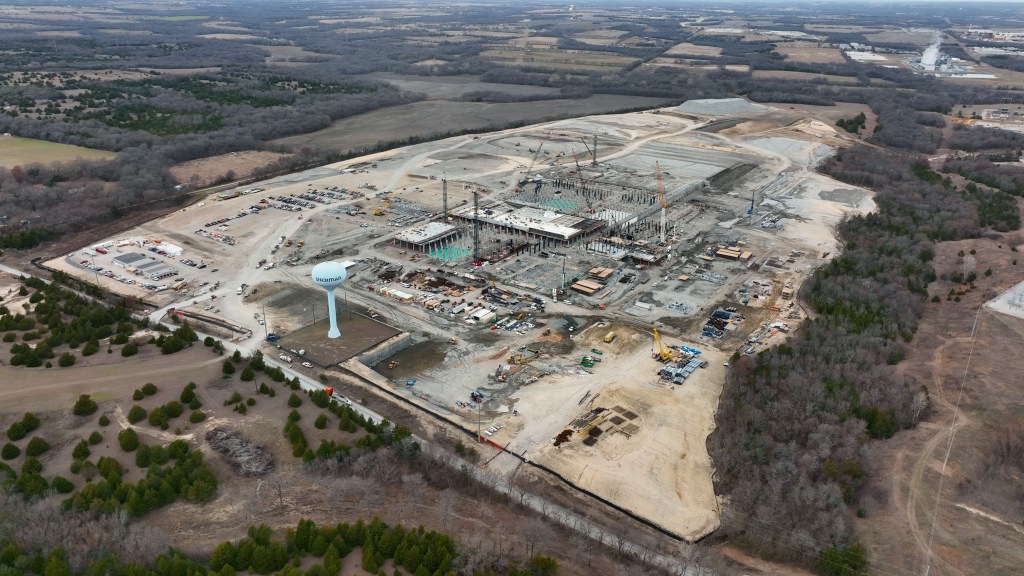
As de-globalization picks up steam, more chipmaking is being repatriated to North America. Texas Instruments is spending $30 billion to build four fabricating plants in Sherman, Texas. The first should be operating in 2025. The chips produced there will have a broad range of uses in smartphones, connected cars, and industrial machinery.
Analog Devices has revenues of $12 billion and net income of $2.7 billion. Like Texas Instruments it is diversified, with more than 125,000 customers. It has increased its dividend in each of the past 21 years, with a current yield of 1.7% at the price of $191. Its chips are found in similar places, including factory automation and testing and measurement equipment.
So far this year, the companies have performed less well than the higher end chipmakers. They have slower growth prospects and have suffered from supply chain issues. Their customers stockpiled chips last year, which are now being run down. Demand is weakening in a high interest rate environment.
Texas Instrument’s stock is up 7% year-to-date and Analog Devices by 17%. The increase is modest when compared with the AI leaders and the Nasdaq’s 34% rise.
On the other hand, they have a lot of upside, with price to earnings ratios that are also more modest. Nvidia’s stratospheric p/e of 207 carries sky high optimism and a similar amount of risk. Texas Instruments has a forward p/e ratio of 20.6 while Analog Devices has a p/e ratio of 17.5.
Texas Instruments and Analog Devices sold off last week when Texas Instruments reported its latest earnings. As the biggest maker of analog semiconductors, it is a bellwether, and the results were modest. The company gave a lukewarm outlook, indicating that a slump in demand for key types of electronics is dragging on.
Automotive remains a bright spot, as it does with Analog Devices.
As reported by Bloomberg News, Texas Instruments’ revenue in the third quarter will be between $4.36-$4.74 billion. The midpoint of that range would be below the average analyst estimate of $4.59 billion. Profit will be $1.68-$1.92 a share in the third quarter, compared with a prediction of $1.90.
Despite current conditions, these companies are worth keeping on the radar. Given the likelihood of a recession, their share prices may weaken, but they have financial strength, a diversified customer base and a history of profitability and dividends.
Sometimes slow and steady wins the race.
This article appeared in the Internet Wealth Builder on July 31, 2023. For information on how to reprint this article please view this page.



 Adam Mayers
0 comments on “Low end chipmakers find a profitable niche”