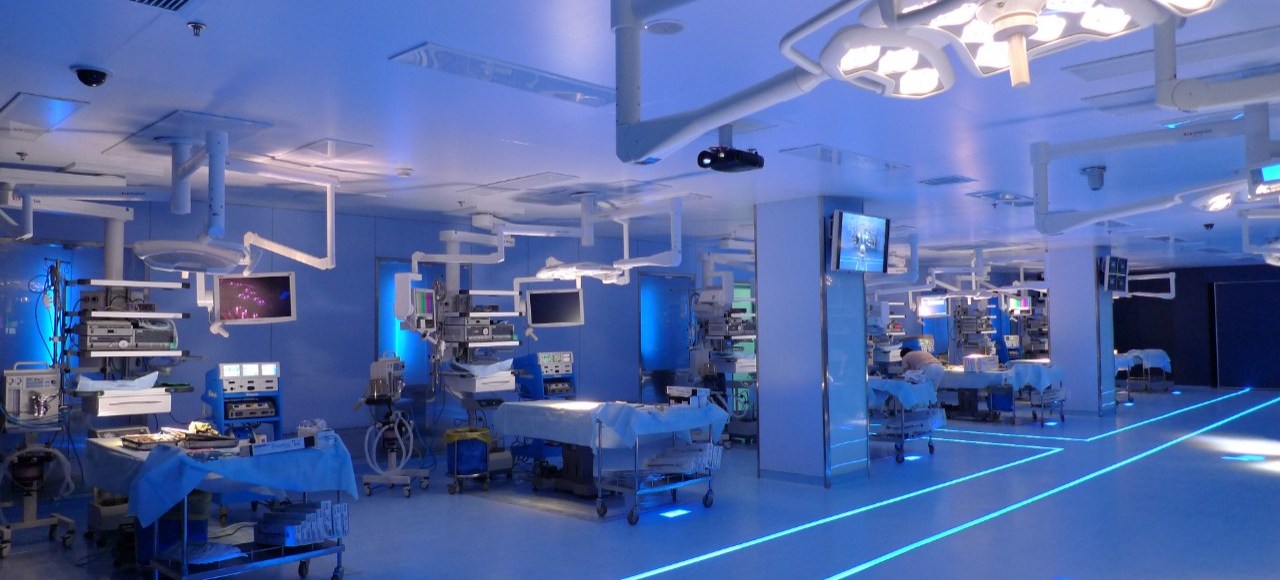

Elective surgeries got back on track last year after several years of stop and start delays, but a series of headwinds put a dent in the sector’s rebound.
While patients felt it was safe to return to hospitals, burnout and staff shortages limited the capacity for procedures. For medical device makers inflation was eating into their margins at the same that supply chain problems were disrupting the delivery of parts.
Twelve months later things have changed for the better, analysts say.
“There were multiple headwinds for hospitals in 2022,” says Tarik Aeta, vice-president and portfolio manager at TD Asset Management Inc. (TDAM) in Toronto. “They were under lots of pressure. But those headwinds have basically reversed and become tailwinds.”
Mr. Aeta says shipping costs have come down, semiconductors shortages have eased and demand for elective surgeries remains strong. The trends have helped such medical technology robotics leaders as Stryker Corp. (NYSE:SYK), which focuses on orthopedic surgeries and Intuitive Surgical Inc. (NDQ:ISRG) which is a leader in general surgical robots. Both have seen strong share price gains this year with both companies hitting new highs.
In a recent call with analysts, Intuitive’s CEO Gary Guthcart pointed to broad-based global demand for critical and elective surgeries. Procedures using its tools rose 22 per cent in the latest quarter, he said. Year-over-year Intuitive shipped 20 per cent more units of its mainstay Da Vinci systems which assist surgeons. As a result, quarterly revenue rose 15 per cent.
Elliot Johnson, chief investment officer at Toronto-based Evolve Funds Group Inc., says these sorts of results indicate a return to pre-pandemic norms after a period when “medtech was on pause.”
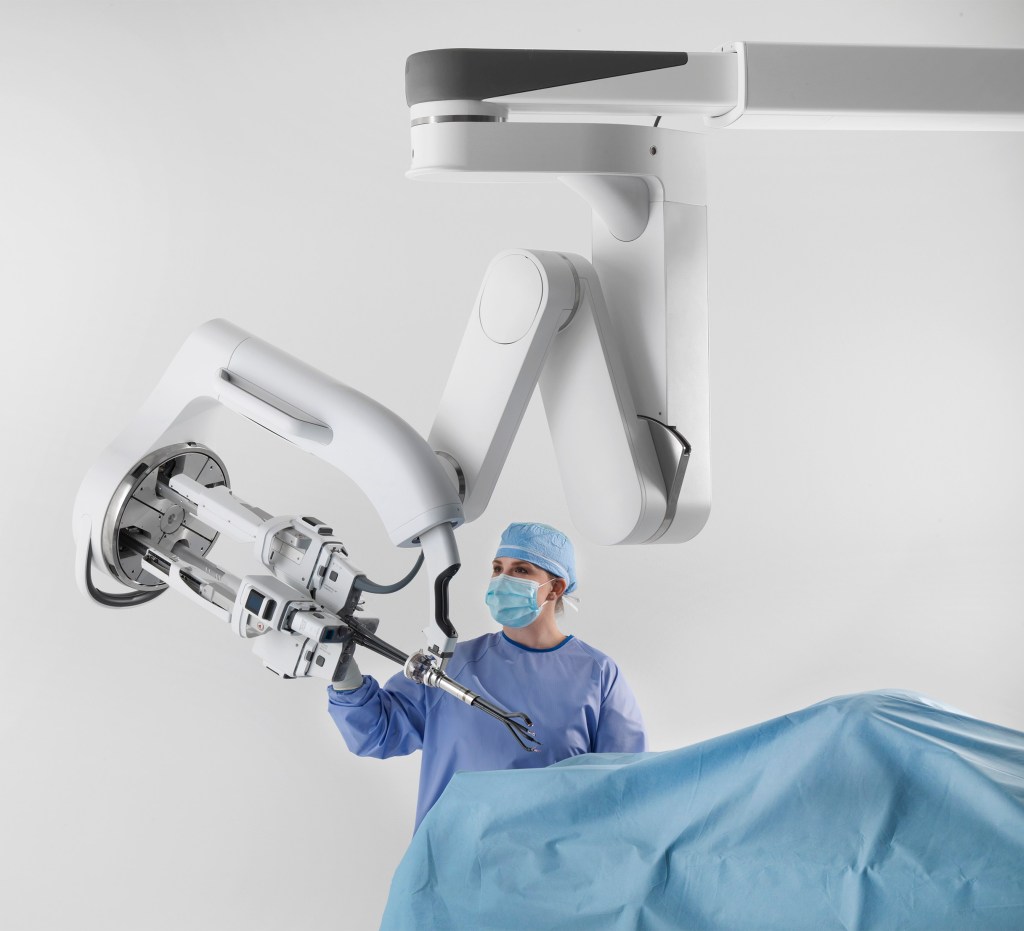
“The trend of things becoming better, done better with better machines never actually changes,” he says.
Evolve markets the Evolve Enhanced Health Care Enhanced Yield Fund (TSX:LIFE) which has $277 million in assets under management and holds both Stryker and Intuitive Surgical. Other holdings include Medtronic Inc., (NYSE:MDT), the world’s largest medical device company and Abbott Laboratories Inc. (NYE:ABT) which makes a range of medical devices and markets such generic products as the infant formulas Similac and PediaSure.
Mr. Aeta manages the TD Global Healthcare Leaders Index ETF (TSX: TDOC) which has $49 million in assets and also holds those four companies.
He says the sector has been able to pass along inflationary costs as contracts are renewed. US hospital employment statistics show staffing is improving, a trend that began last fall. Mr. Aeta speculates this may be due to better pay and incentives to return and more normal workloads. Staff near retirement staff may have discovered that as the cost of living has gone up they may need more time to save for retirement.
“You’ve had older nurses and physicians saying I’ll do it for a couple more years. The working environment has improved, COVID protocols have eased, so it’s a bit more welcoming.”
He notes that within the healthcare space medical technology is the best performing group this year. The S&P 500 Health Care Equipment & Supplies Index is up 4 per cent while the S&P 500 Health Care Index is down 2 per cent.
More broadly, Mr. Johnson says the pandemic made health care automation and related technologies more attractive.
“Things that can be done with fewer complications more reliably,” he says.
Mr. Johnson sees the incumbency advantage as a strong energizer for established players. Their systems are expensive and require a lot of training. So once introduced it is easier for customers to upgrade then replace.
Mr. Aeta says healthcare is a defensive investment less exposed to the cyclical up and down of the business cycle. In good and bad times people need hip and knee replacements and pacemakers.
“Over the long run, what drives healthcare growth is demographics and innovation,” he says. “The sector keeps developing new drugs, new medical devices and new procedures. Over time that expands the market and the ability of these companies to grow.”
For investors that means steady growth, recession resistance and secular kind tailwinds for an aging demographic. Emerging markets growth is another energizer.
Both analysts see the sector as undervalued relative to the broader market. Mr. Aeta says the S&P 500 Healthcare index trades at a price/earnings ratio of just over 17 times earnings. The S&P 500 trades at 19 times earnings.
“That three points doesn’t seem like a big deal, but over the long run health care has averaged earnings growth of just under 10 per cent a year, while the S&P has grown earnings closer to 7 per cent.
“Healthcare grows over the long run, regardless of whether the economy’s doing really well or really poorly. It has this unique characteristic where it is defensive, but also does grow earnings faster than market.”
This article appeared in the Globe Advisor section of the Globe & Mail’s Report on Business on Aug. 24, 2023. For reprint information please view this page.
 Adam Mayers
0 comments on “Medtech stocks rebound as hospital pressures ease”