
The Big Three global fast-food chains offer a strong value proposition in a weak economy because they sell comfort and familiarity at a low price.
Here’s an update on Yum! Brands and Restaurant Brands International ranked two and three in size after McDonald’s.
Yum! Brands Inc. (NYSE: YUM) is the holding company that owns Taco Bell, Kentucky Fried Chicken (KFC) and Pizza Hut. It is the second largest global fast-food chain and is about half as big as McDonald’s. It has 57,000 restaurants in 290 countries with almost half of its revenue coming from the US. China is its second biggest market.
Yum failed to stir much investor enthusiasm in 2023 with the shares flat on the year. It continues a rapid expansion in China and other developing countries. It has strong brand recognition, loyal customers and a proven franchise model.
So what’s worrying investors? One concern is the explosive popularity of weight-loss drugs such as Eli Lilly’s Mounjaro and Novo Nordisk’s Ozempic. Will it spark a fundamental change in food consumption patterns? If so, that would hurt demand for burgers and fried chicken.
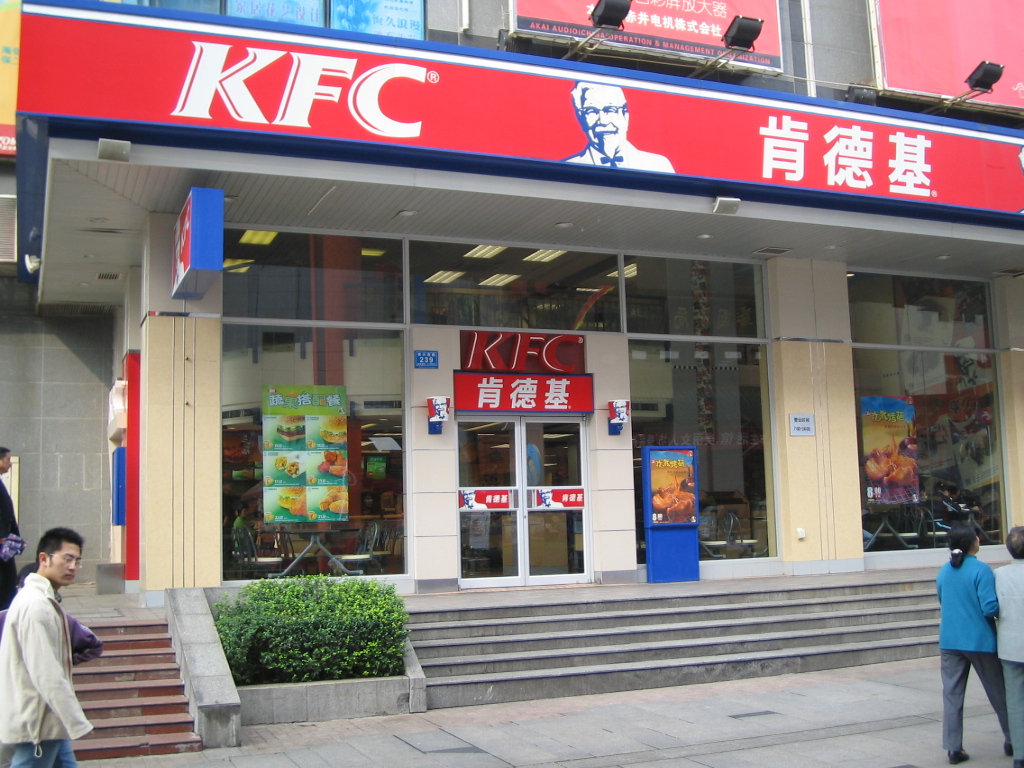
Another worry is stiffening competition for its flagship KFC brand. In the fall, Restaurant Brands International permanently added chicken wings to the menu at its Popeye’s Louisiana Kitchen chain following the runaway success of a pilot project. Popeye’s already sells a popular chicken sandwich. The one-two chicken punch helped Popeye’s overtake KFC in 2023 for second spot in the US market for quick serve chicken.
The company responded in a recent conference call by saying it is on track to deliver double digit growth in operating profit with continued momentum in 2024.
In the three months ended Sept. 30 Yum recorded 10% growth in system sales. The quarterly revenue of $1.71 billion (all figures in US dollars) was 4% higher than a year earlier though below the consensus forecast of $1.77 billion. Earnings before unusual items rose 32% to $1.44 a share.
Yum opened a record 1,130 stores in the quarter and digital sales of $7 billion were up more than 20% year-over-year.
Yum’s dividend is 60.5 cents quarterly. It yields 1.88% at current prices.
Restaurant Brands International (TSX, NYSE: QSR) is the third-largest global fast-food operator with operations in more than 100 countries. It has 31,000 stores, of which 65% are Burger Kings, 18% are Tim Hortons, and 13% are Popeye’s Louisiana Kitchen locations. The remainder are Firehouse Subs.
Restaurant Brands is also betting on China and the Far East with big expansion plans for Tim Hortons and Popeye’s. The shares rose 18% in 2023. Its latest results missed estimates for revenues as inflation pinched consumer spending at its Burger King chain. In an interview with Reuters, RBI CEO Josh Kobza acknowledged that Burger King has “made a lot of progress … but there’s still a very long way from where we are to where we want to be.”
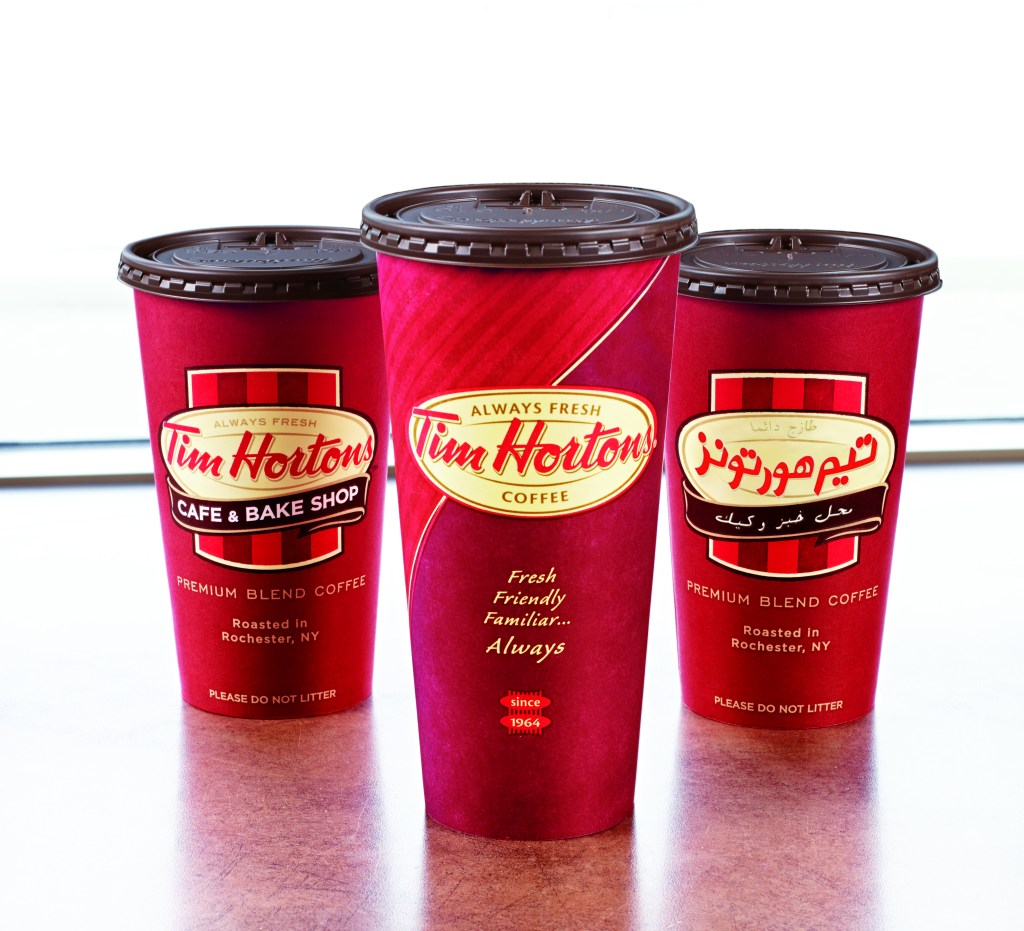
On the plus side, Tim Hortons coffees and Popeyes are doing well.
Despite the revenue miss, adjusted per-share earnings of $0.90 beat expectations. Revenue rose to $1.84 billion which was below estimates.
As with McDonald’s and Yum, RBI is using a franchise model. It finds master franchisees in local markets who operate the stores through a joint venture. TH International Ltd., known as Tims China is its master franchisee in China. It has opened 600 Tim Hortons in China and plans to add 400 more by the end of this year. It is aiming for 1,700 Popeye’s locations in China within 10 years.
Dividend: RBI’s $2.20 annual dividend yields 3.1% at current prices.
This article appeared in the Internet Wealth Builder on Jan. 15, 2024. For information on how to reprint this article please view this page.
 Adam Mayers
0 comments on “Yum, Tim Hortons build on emerging market gains”