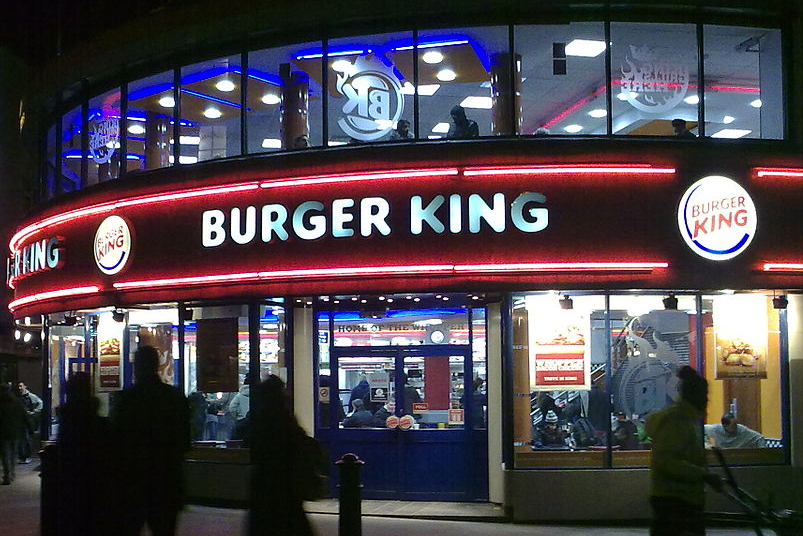

Restaurant Brands International, the third largest fast good chain and Tim Hortons parent, has had a tough year.
It is revamping its Burger King chain and investing to upgrade stores. At the same time, inflation led to rising costs for labour, food ingredients and logistics. That triggered price rises. Now, as consumers tighten their belts, prices are falling again and value meals – and slimmer margins – are back.
Of the Big Three, Restaurant Brands (TSX, NYSE: QSR) has fared worst this year. The TSX listed shares are off 9% and those listed in New York are down 11%. Yum! has led the way, edging out McDonald’s.
But even with the current headwinds, the chains offer a strong value proposition. They sell comfort and familiarity at a low price and never go out of style as the economy rises and falls. They have global brand reach, a reliable dividend stream that grows and all are aggressively expanding into emerging markets where they see a bright future.
Here’s up update:
Restaurant Brands International (TSX, NYSE: QSR) Recent close C$93.99, US$69.68.
Background: Restaurant Brands is the third-largest global fast-food company with operations in more than 100 countries. It has 31,000 stores, of which 65% are Burger Kings, 18% are Tim Hortons, and 13% are Popeye’s Louisiana Kitchen locations. The remainder are Firehouse Subs.
Performance: The Canadian-listed shares are 9% lower year-to-date, but 4% higher in the last 12 months at the time of writing.
Recent developments: Revenue and earnings beat estimates in its latest quarter, with steady demand at Tim Hortons offsetting sluggish sales at Burger King. Revenue rose 17% to $2.08 billion (the company reports in US dollars), while earnings of $399 million, or $1.01 per share, were a 13.7% improvement.
The company announced it is teaming up with Walmart’s premium subscription service called Walmart+ to allow Walmart members to take advantage of discounts at Burger King. This includes 25% off on any online order every day.
It has big plans for Tim Hortons and Popeye’s in China. As with McDonald’s and Yum, RBI is using a franchise model. It finds master franchisees in local markets who operate the stores through a joint venture.
Dividend: RBI increased its dividend to US$0.58 per quarter with the March payment. The US$2.32 annual dividend yields 3.5% at current prices.
 Adam Mayers
0 comments on “Tim Hortons parent teams up with Walmart”